
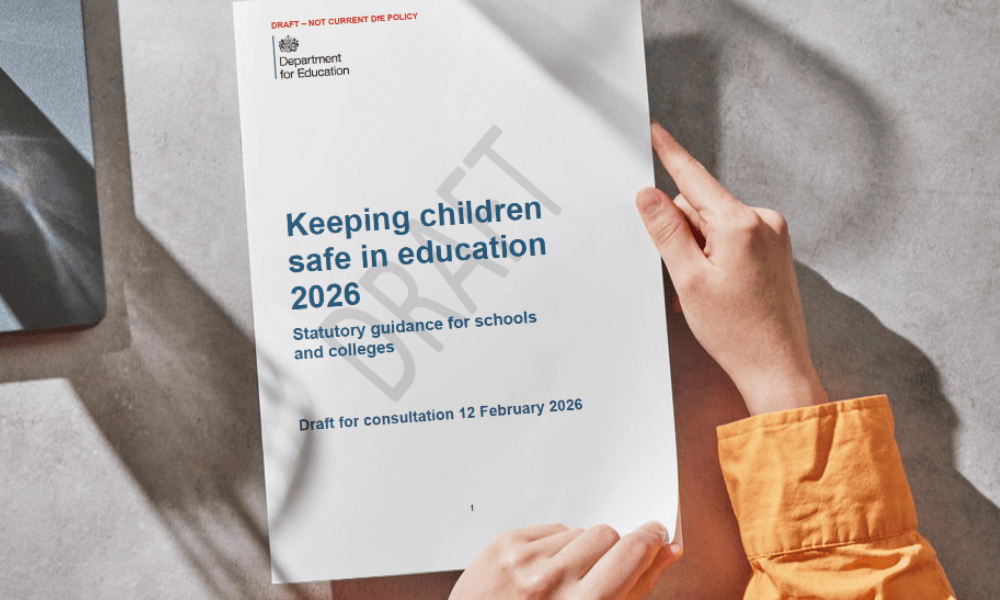
In February 2026, the DfE published a draft of Keeping Children Safe in Education for consultation. The final version arrives on 1 September. KCSIE 2026 agencies need to act on four key changes: stronger recruitment checks for supply and contract staff, tighter due diligence requirements, new safeguarding guidance covering AI-generated content, and the removal of the Annex A summary. The consultation closes on 22nd April 2026.
If you run an education agency, you already know that Keeping Children Safe in Education shapes how schools approach everyone in their buildings. That includes the supply staff your agency places. The DfE released the KCSIE 2026 draft for consultation in February. It is worth reading carefully.
The consultation closes on 22 April 2026. The final guidance arrives on 1 September 2026. Nothing is confirmed yet, but the draft is clear about where things are heading. Several proposed changes affect KCSIE 2026 agencies directly.
Supply teachers and contractors: more scrutiny, not less
Part Four of KCSIE has always covered allegations against supply teachers, volunteers and contractors. The 2026 draft adds trainee teachers to that same category. Schools must now follow the same procedures for trainees as they do for supply staff from an agency.
This removes any ambiguity about how schools handle concerns. For KCSIE 2026 agencies, it is a clear signal. The schools you supply to face a consistent compliance standard. Your internal processes need to match it.
Safer recruitment checks: what tightens up for agencies in 2026
Part Three of the draft strengthens expectations in several areas: reference verification, online due diligence, recruitment record keeping and single central record updates. These requirements now explicitly cover contractors, volunteers, visitors and trainee teachers. It is not just permanent staff anymore.
Think about an Ofsted inspection. A school must explain how it verified a supply teacher’s references and what online checks it ran. Those answers need to be solid. The documentation you send at the point of placement has to be thorough and easy to evidence. The draft includes an example single central record that meets the statutory requirements. Study it. You need to know exactly what information schools will hold about your candidates.
AI and online safety: a new dimension for KCSIE 2026 compliance
The 2026 draft makes a significant shift in how it treats artificial intelligence. It now explicitly names deepfakes and AI-generated content. Schools must treat AI-generated intimate images under the same safeguarding rules as other image-based abuse. This is new language, and it matters.
Cybercrime also gets more attention. The Internet Watch Foundation and the UK Safer Internet Centre both document how fast technology-facilitated abuse involving young people is growing. The 2026 draft responds to that. Candidates you place in schools need to understand this. Older safeguarding training does not cover these areas. Brief your candidates before they start.
Annex A goes: what this means for your candidates
The draft removes Annex A. Schools used it as a summary of Part One. Going forward, all staff must read Part One in full. Many schools already required this. Now it becomes a formal compliance expectation, not just good practice.
KCSIE 2026 agencies will feel this change. Schools will start asking you to confirm what safeguarding training your candidates have completed before placement. You need up-to-date records. You need to share them quickly. The NSPCC Learning hub offers regularly updated safeguarding training that schools widely recognise. Point your candidates there if they need to get current.
What should KCSIE 2026 agencies do right now?
The consultation is still open. Nothing is final. But the final version of KCSIE has closely tracked the draft in recent years. Start preparing now. Do not wait until September.
Here is where to focus:
- Review your pre-placement documentation. Check it against the strengthened reference and due diligence expectations in the draft.
- Study the example single central record. Know what information schools must hold about every candidate you place.
- Audit your candidates’ safeguarding training. Does it cover AI-generated content and online safety? If not, address that gap now.
- Respond to the DfE consultation before it closes on 22 April 2026. The DfE invites input from the sector.
KCSIE 2026 moves in one direction: more detail, not less. Schools face growing pressure to show that every adult working with their pupils is properly vetted, trained and monitored. For KCSIE 2026 agencies, staying ahead of this is not just about compliance. It is a genuine competitive advantage.
Got questions about how these changes affect your agency? Get in touch with the team at Academize.
Note: This blog is based on the KCSIE 2026 draft for consultation published in February 2026. The final guidance will be published on 1 September 2026 and may differ from the proposals described here.